kids activitiesfamily playindoor playoutdoor play· 7 min
Activities for Kids: Beginner's Guide
A beginner's guide to activities for kids, organized by age and energy, with a simple planning table and official CDC notes on play and supervision at home.
Start with the child in front of you, not a long activity list
Activities for kids work when they match the child’s age, the time you actually have, and the room you are standing in. A beautiful plan that needs a craft store run and an hour of setup will lose to a blanket fort that takes four minutes.
This is a beginner’s guide for ordinary days: after school, a rainy Saturday, a morning at home with mixed ages. It is not a curriculum, and it does not promise developmental outcomes. The aim is a short, doable session that ends while everyone is still reasonably pleasant.
The Centers for Disease Control and Prevention publishes age-based positive parenting tips, including ideas for play and time together at different ages. Use those pages as a background check on what is typical for a stage, then adjust for the child you have. A three-year-old and a nine-year-old can share a kitchen table. They cannot always share the same scissors, rules, or attention span.
Match the activity to age and supervision
A good activity has a clear start, a way to stop, and a supervision level you can actually provide. If you need to cook dinner at the same time, do not choose a project that cannot be left for thirty seconds.
Toddlers. They want to pour, stack, smear, and walk around with an object. Short sessions, large pieces, and a washable floor or a sheet on the table will do more than a complicated craft. CDC’s toddler parenting tips emphasize play, talking, and simple routines; keep materials too large to swallow, and stay within arm’s reach when anything goes into a mouth. If you want official notes for this stage, start with the CDC’s page for toddlers (2–3 years).
Preschoolers. They can follow a short sequence: “first we put on the smock, then we glue two shapes.” They still need you nearby. Choose activities that can finish in one sitting, or that have a natural pause. Painting, play dough, a simple obstacle course, or helping with a real kitchen task (washing vegetables, tearing lettuce) all count.
Early school age. They can manage a slightly longer project and often want a result they can show someone. Building, simple board games, a scavenger hunt, a backyard “museum,” or helping cook a real snack will hold them longer than a worksheet dressed up as fun. They still need rules about tools, kitchens, and streets.
Older children. They may want more independence and a real skill: cooking one dish, building a model, learning a card game, filming a short video, or planning a walk. Your job shifts toward materials, a time boundary, and being available when they get stuck. “Go entertain yourself” works better if the materials are already out and the first step is obvious.
If ages are mixed, give the older child a genuine helper role, not a fake one, and give the younger child a version of the same activity with simpler tools. Two separate mini-stations on the same table beat one “shared” project that only the oldest can do.
Indoor, outdoor, and “we have twenty minutes”
You do not need a themed afternoon. You need a default list you can start without a debate.
Twenty-minute indoor list. A stack of paper and crayons. A blanket and two chairs. A cardboard box and a roll of tape. A deck of cards. A dance in the kitchen while a song plays twice. A “find five things that are blue” walk through the house. Stop when the timer ends, even if the fort is unfinished. Leaving a little undone is how you get a yes tomorrow.
A longer indoor stretch. Baking, a bigger building project, a puzzle, or a craft that has to dry. Set up before you announce it. Put down a washable layer. Agree where the wet thing will sit. If you only have an hour, choose a project that looks finished at the one-hour mark, not one that needs a second afternoon unless you already planned that.
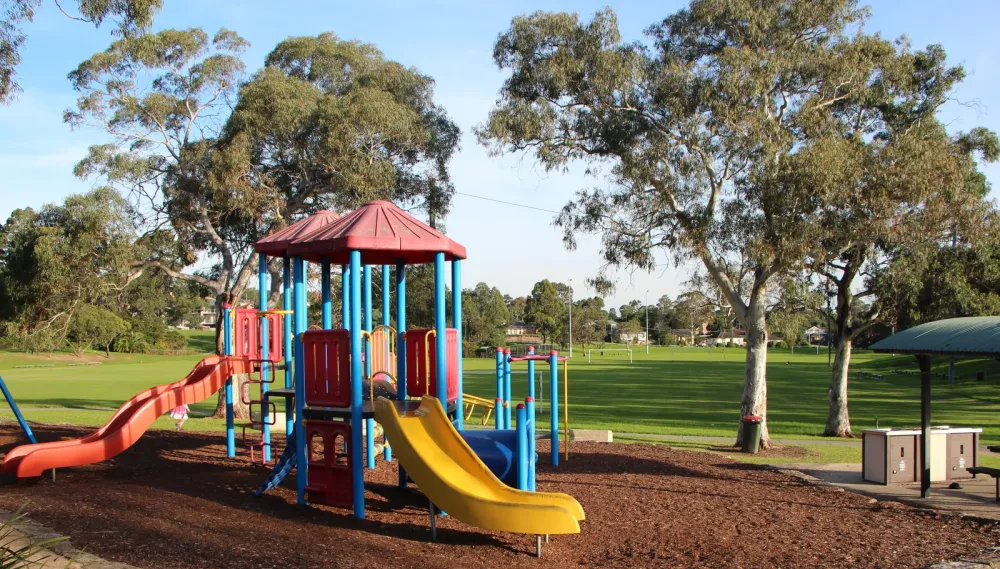
Outdoor time. A walk with a small mission (counting dogs, collecting fallen leaves, following a ball) is an activity. So is chalk, a ball, a bucket of water, or a simple picnic on a towel in the yard. Check the weather and, if you will be outside for a long stretch, sun protection and water. In poor air-quality periods, look at a local official source such as AirNow before you commit to a long playground visit.
Do not invent a “screen is always bad” rule in either direction. If a short show or a video call with a grandparent is what the afternoon can hold, say so, set the end time, and keep one offline option ready for after. The unofficial rule that works in most houses is not purity. It is predictability.
A planning table for ordinary days
| Situation | Activity shape that usually works | What you need | When to stop |
|---|---|---|---|
| After school, low energy | Quiet table work: drawing, stickers, a simple puzzle, listening to a story | A cleared corner and one closed box of supplies | When hunger shows up; snack may need to come first |
| After school, high energy | Movement first: a walk, a dance, a yard game, a hallway obstacle path | Shoes or a clear indoor path, and a rule about what may be jumped on | Before someone gets hurt or the game knocks over a lamp |
| Rainy Saturday | One longer project plus a short reset activity | Setup time, a drying spot, and an easy backup | When the project hits a pause; switch rather than forcing a finish |
| Mixed ages | One shared theme, two difficulty levels | Two sets of tools, and a job the older child actually owns | When the youngest is done; the older child can continue if they want |
| You must cook at the same time | A contained activity at the kitchen edge | Materials that can pause, no hot tools, and a view of the child | Whenever the stove needs both hands; announce the pause |
| Travel or a waiting room | Pocket activities: a small notebook, a card game, a story, a “spot the color” game | A bag you already packed | When you are called, even mid-game |
Keep a single “go box” on a shelf: paper, crayons, a glue stick, tape, a ball of string, a deck of cards, and a few recycled boxes. The box does more for a beginner household than a closet of specialty kits you never unbag.
Safety without turning play into a lecture
Stay close when small parts, scissors, kitchens, water, or streets are involved. For younger children, skip beads, loose magnets, button batteries, and anything that can break into a mouthful. If you are cooking together, keep handles turned in and agree which tasks are off limits. These are ordinary household cautions, not medical advice.
The CDC’s parenting-tip pages are a solid official place to reread age-stage reminders when you are unsure whether an activity is a stretch or a poor fit. If a child has a condition that affects movement, attention, or swallowing, follow the guidance of that child’s own clinician rather than a generic list.
Clean up is part of the activity. A five-minute tidy, with a job each person can do, keeps the next session from starting in a pile. Children do not have to enjoy this part. They can still help.
A short starter checklist
- I know how long we actually have
- The activity matches the youngest child who will join, or I have a simpler version ready
- The materials are already in the house, or I am willing to skip the activity
- I can supervise it at the level it needs
- I have a way to end it: a timer, a snack, or a next step
- The floor, clothes, or table can survive the mess
- I am not promising a Pinterest result
If you cannot check those boxes, choose a walk or a drawing session and call it a success.
Questions parents ask when they need activities today
What if my child says every idea is boring?
Offer two real options, not ten. Start the one they picked with them for a few minutes, then step back. A child who is hungry, tired, or overstimulated will reject even a good idea; fix that first. If both options fail, a change of room or a snack is a better next move than a longer speech.
How do I do activities for kids if I also need to work from home?
Choose pauseable work: drawing, building, an audiobook plus paper, or an outdoor stretch before your meeting. Be honest about the time you have. A twenty-minute activity you can finish is better than a half-finished science project next to a laptop.
Are educational activities better than plain play?
Not automatically. Sorting laundry, cooking, building, and outdoor play already include counting, talking, and problem-solving. A worksheet is not required to make a day count. If you want a little structure, add a simple goal: “Let’s build a bridge that holds this book,” then stop when you have tried.
How many activities should a weekend include?
Fewer than you think. One planned outing or longer project and plenty of loose time will usually beat a Saturday with three tickets. Children need time to be bored enough to start something of their own. Leave that space on purpose.